Where India's design community connects, creates & thrives
ADI is committed to strengthening Indian design, promoting best practices, and unifying voices to shape policy, industry & society.

Who Are We?
At our core, we believe in collaboration, creativity, and continuous evolution. From classrooms to boardrooms, ADI is where design conversations become collaborations that create change.
About Us


33+
Chapters

15k+
Members

50+
Organisations
250+
Events hosted
ADI community & people
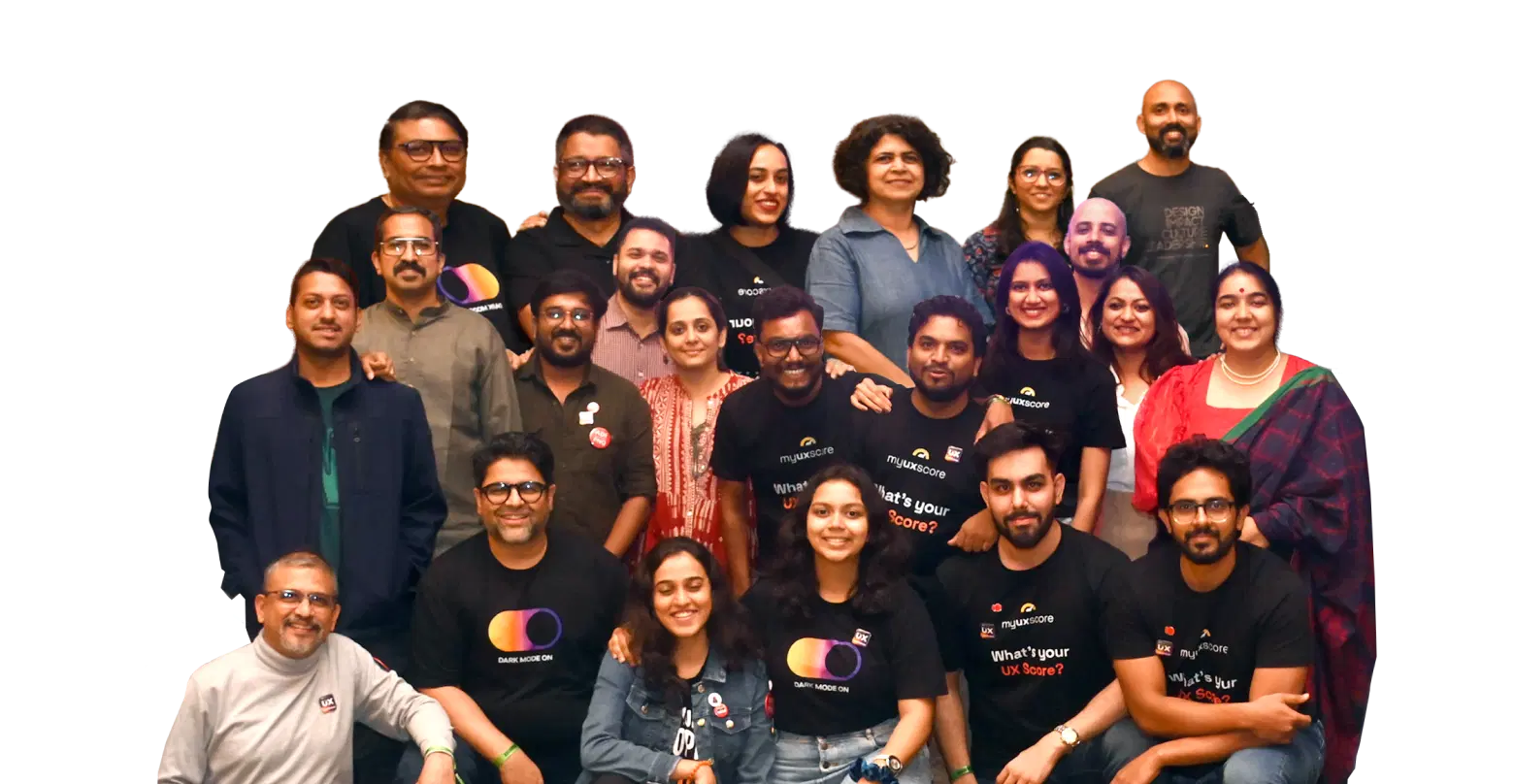
ADI is a national community of students, professionals, and design leaders who share ideas, case studies, and best practices, while connecting with global design bodies.






Your go-to resource hub
Get quick access to helpful guides, reliable document templates, and other materials whenever you need them.
 Connect on WhatsApp
Be part of a vast community of
design professionalsBe part of a vast community of
design professionals
Attend regular local meet-ups and networking mixers
Gain priority access to design conferences, workshops, and speaker events
Join accountability groups for creative projects and challenges
Build relationships at events and meet-ups
Attend AMA sessions with renowned designers and studio founders
Volunteer in public events and discussion panels

How Membership works –
A step wise journey
At our core, we believe in collaboration and creativity. Through ethical practice, outreach, festivals, publications, and workshops, ADI champions responsible design and showcases India as a global hub for design excellence.
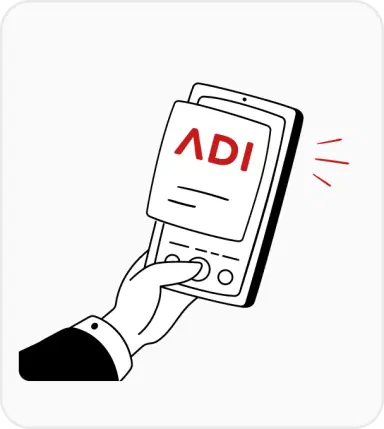

Step 1
Log in using your email ID or mobile number
Step 2
Authenticate via OTP — your account will be created


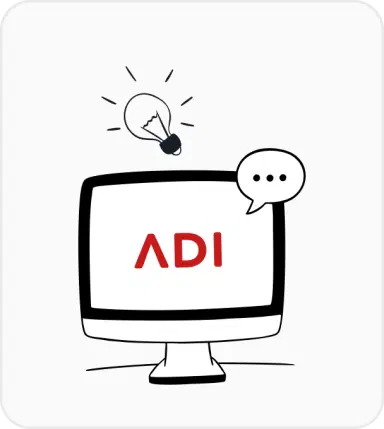

Step 3
You will be logged in to your account
Step 4
Select your membership plan and complete the payment



Step 1
Log in using your email ID or mobile number

Step 2
Authenticate via OTP — your account will be created
Step 3
You will be logged in to your account

Step 4
Select your membership plan and complete the payment

Our community in their words

Leading the initiative at the ADI Jaipur Chapter has been a journey of immense pride and discovery. Looking back at our timeline - from the camaraderie of the 'Designer's Potluck' to the collaborative spirit of our 'Open Studio' sessions - it is inspiring to see how the design community in Jaipur has come together. ADI has provided the perfect platform to not only advocate for design professionals but to create a vibrant ecosystem where seasoned experts and emerging talent can exchange ideas. As we step into 2026, I am more excited than ever about the impact we are creating together.
Paraj Bhargav
Designer at AKFD Studio
Jaipur
As a senior designer and active member of the ADI Nagpur Chapter, the association has been a meaningful platform to connect with fellow designers, stay engaged with evolving design practices, and strengthen the local design ecosystem. Being part of ADI Nagpur has given me a strong sense of belonging and purpose, and the opportunity to contribute meaningfully towards building a connected, vibrant, and future-ready design community for our region. As President of the ADI Nagpur Chapter, my experience with the association has been deeply rewarding. Working closely with industry bodies, academic institutions and the MSME ecosystem has reinforced my belief in the power of ADI as a catalyst for regional collaboration and growth
Sharad Dahake
Founder Director at Ideal Mockups Pvt. Ltd.
Nagpur
My journey with ADI has been truly special for me. I started as a student attendee, then became a student volunteer, and today, being part of the Organizing members feels like a real full-circle moment. Every stage of this journey taught me something new and helped me grow in confidence, leadership, and teamwork. Working closely with mentors and peers in such a creative and supportive environment has been very rewarding. ADI is a place that genuinely encourages learning, collaboration, and turning ideas into meaningful impact.
Laakhi Amle
Student, MITID - MBA-Innovation and Entrepreneurship
Pune
Being part of the ADI Indore Chapter was a wonderful and enriching experience. Working on Indore Design Festival and UX Lighthouse events was truly inspiring. Collaborating with such creative and passionate people made it memorable. Every interaction, from major events to small meet-ups, was meaningful and fun.
Manisha Pateria
Multidisciplinary Designer
Indore
Leading the initiative at the ADI Jaipur Chapter has been a journey of immense pride and discovery. Looking back at our timeline - from the camaraderie of the 'Designer's Potluck' to the collaborative spirit of our 'Open Studio' sessions - it is inspiring to see how the design community in Jaipur has come together. ADI has provided the perfect platform to not only advocate for design professionals but to create a vibrant ecosystem where seasoned experts and emerging talent can exchange ideas. As we step into 2026, I am more excited than ever about the impact we are creating together.
Paraj Bhargav
Designer at AKFD Studio
Jaipur
As a senior designer and active member of the ADI Nagpur Chapter, the association has been a meaningful platform to connect with fellow designers, stay engaged with evolving design practices, and strengthen the local design ecosystem. Being part of ADI Nagpur has given me a strong sense of belonging and purpose, and the opportunity to contribute meaningfully towards building a connected, vibrant, and future-ready design community for our region. As President of the ADI Nagpur Chapter, my experience with the association has been deeply rewarding. Working closely with industry bodies, academic institutions and the MSME ecosystem has reinforced my belief in the power of ADI as a catalyst for regional collaboration and growth
Sharad Dahake
Founder Director at Ideal Mockups Pvt. Ltd.
Nagpur
Organizations In the ADI Community


















Partner with ADI
Collaborate with ADI to engage with India’s design ecosystem and contribute to its growth.Together, we can drive meaningful change through shared initiatives and long-term partnerships.

Have questions? We're here for you
Memberships
Membership Fees
Membership Types
Groups & Chapters
Directory
Got more questions?
Our team is happy to help—reach out to us anytime for guidance, details, or support.

Be a part of the ADI community
Collaborate, innovate, and make an impact with ADI—join a community that empowers and elevates designers across India.



- Quick Links
- About Us
- Events
- Community
- Memberships
- Our Address
Association of Designers of India,
SN 256+257 Plot No 9,
Green Park Housing Society, Baner, Aundh,
411007 Pune, India
© 2026 Association of Designers of India
© 2026 Association of Designers of India